


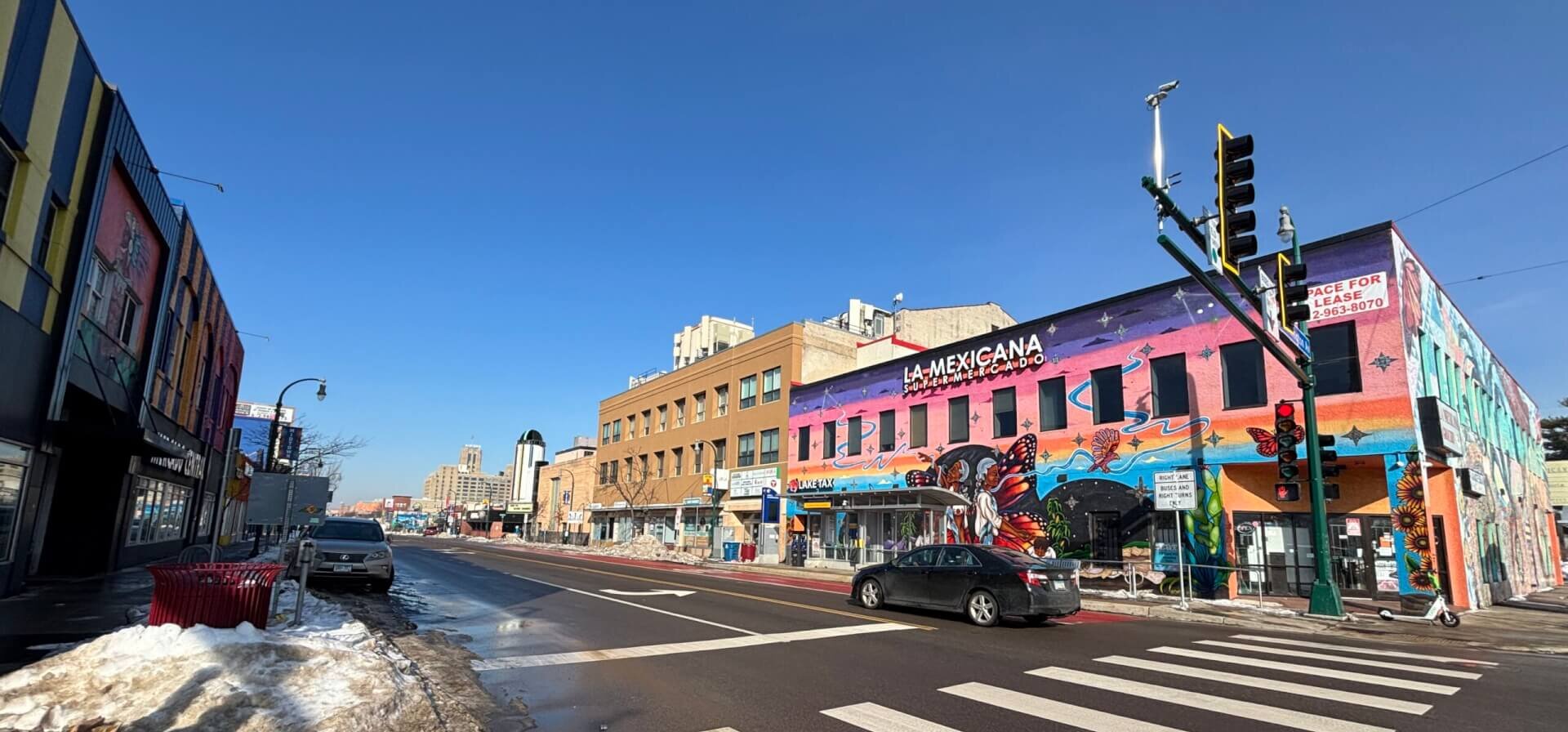
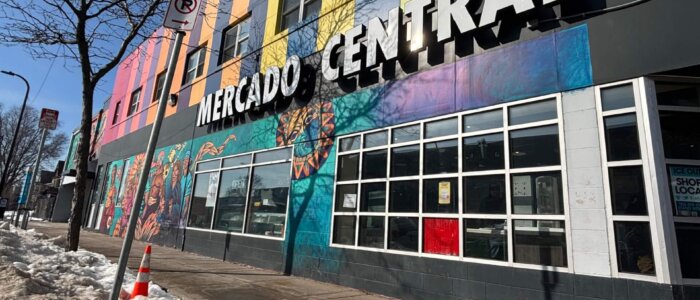
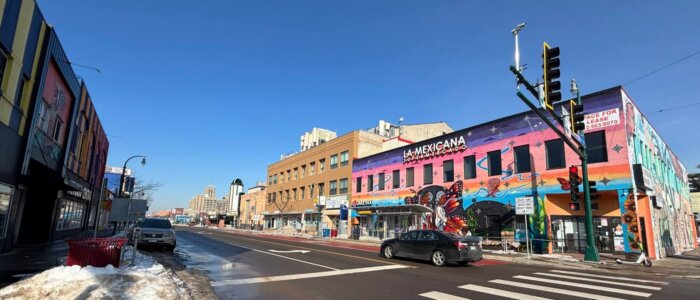
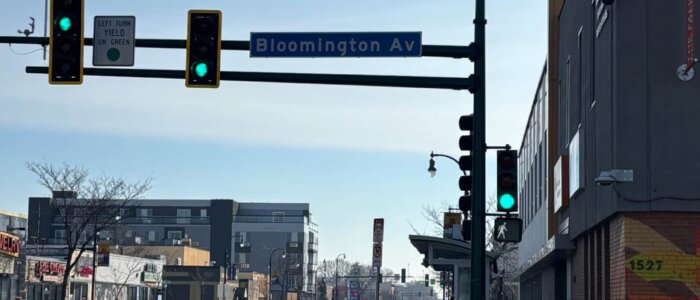
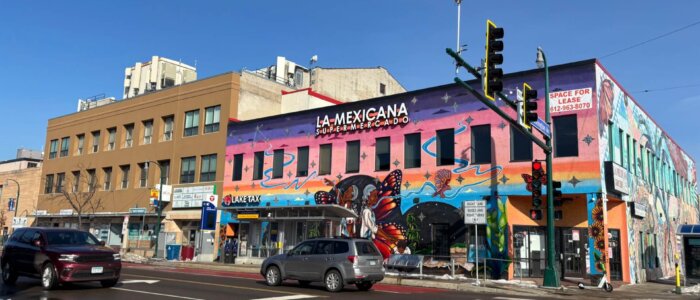
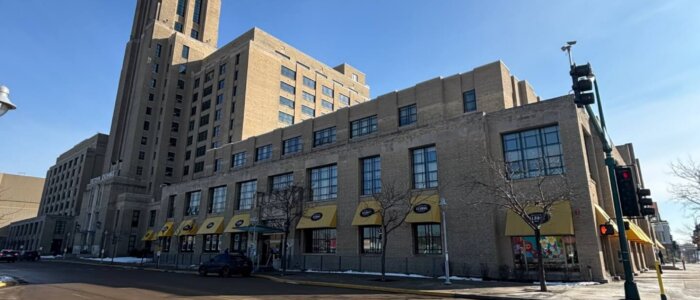
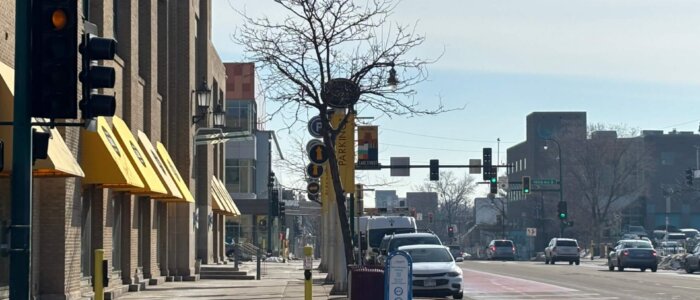
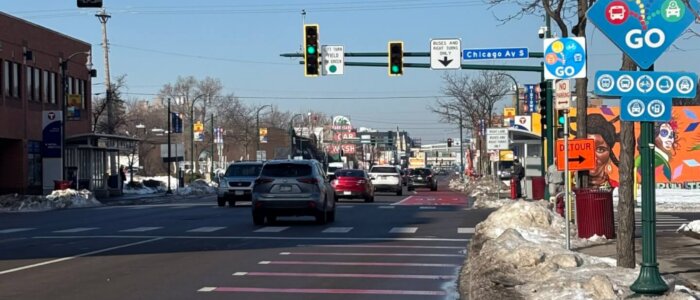
Lake Street has had a long, celebrated, and sometimes complex history in the context of Minneapolis city history. Stretching for more than six miles, from the Mississippi River to the Chain of Lakes, it is home to more than 2,000 businesses and nonprofit organizations. Some of the city’s most prominent cultural hubs are located along the corridor. And for nearly 60 years, the Lake Street Council Off Site Link has worked to connect with and support those business owners with the resources necessary to help them thrive.
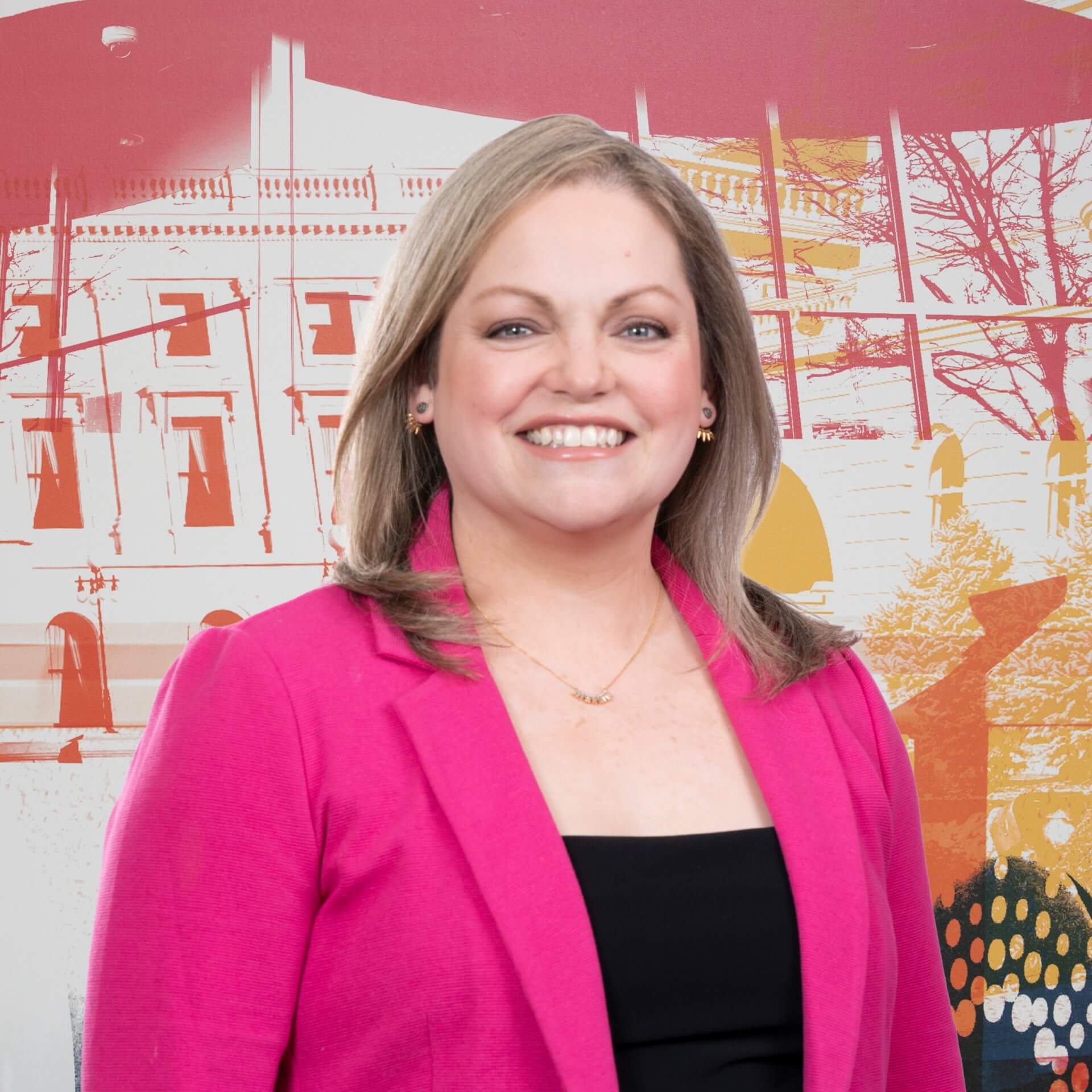
 Executive Director Allison Sharkey has led the Lake Street Council for more than a decade. In that time, she navigated the council through some of its most transformative years. This includes the COVID-19 pandemic, the civil unrest following the murder of George Floyd, and, most recently, the aftermath from Operation Metro Surge, the federal immigration enforcement campaign targeting Minneapolis.
Sharkey says it’s the strength of the Lake Street community – including many female business owners and leaders – that helps fuel repeated periods of recovery.
“I know a lot of women, especially in this nonprofit space, that are really tremendous problem solvers,” she says. “It helps us as we work together to brainstorm around possible solutions.”
How the Work Has Changed
Sharkey came to the Lake Street Council after doing small business support and economic development work on the other side of the Mississippi River in St. Paul. But moving her work to Minneapolis wasn’t that big of a stretch.
“I live in south Minneapolis, just a few blocks from the Lake Street corridor,” she explains. “So, I get to do this work in my own neighborhood, with the businesses where I am already a customer.”
When Sharkey began at LSC, she had a team of three employees. In 2020, things really began to change, not only for Sharkey’s team, but for the entire Lake Street community.
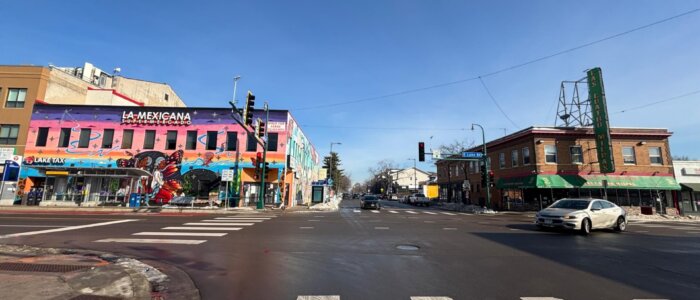
First, the COVID-19 pandemic forced many businesses to pivot and rethink their strategies. Then George Floyd was killed by a Minneapolis Police officer, leading to days of civil unrest along Lake Street. Hundreds of businesses were damaged or destroyed, resulting in millions of dollars in losses.
Sharkey says business owners started turning to her and her staff, looking for guidance on what to do next. News organizations from around the world also reached out, wanting to cover the impact of the unrest on Lake Street.
“We were asked to step into leadership roles in a way that none of us had done before,” Sharkey says.
Springing into Action
 Despite those unknowns, Sharkey and her team quickly went to work. They launched a viral fundraising campaign called “We Love Lake Street.” It raised nearly $12 million from 65,000 donors around the world.
Sharkey says they used those funds to help 500 businesses reopen. They repaired buildings, stabilized damaged properties, and worked with other nonprofits to build a recovery strategy. The envisioned more locally owned, diverse businesses coming back to Lake Street and more ownership opportunities for business owners of color.
“We went from a tiny nonprofit to one that is doing transformational work,” says Sharkey. “We became almost a completely new organization.”
“We really deepened our relationships”
If going through COVID-19 and the aftermath of George Floyd’s murder taught Sharkey anything, it’s that responding to a crisis takes teamwork. She and her staff have leaned heavily on the partnerships they formed six years ago to respond to Operation Metro Surge this winter and help its member businesses.
“It was pretty easy for us to pick up the phone, work together again, and be very clear with each other about what role everyone was going to play,” says Sharkey. “We’re working together quite closely now on strategy and sharing information so that each neighborhood isn’t inventing its own wheel about how to serve people and how to get financial resources out the door.”
These groups encouraged more outside organizations to support the recovery efforts. Many individuals, foundations and businesses, including Sunrise Banks, donated to the Lake Street Council.
“Allison and her team did an amazing job of proactively reaching out to businesses impacted by the federal immigration surge,” says Rich Esquivel, a business development officer at Sunrise Banks and director-at-large on the LSC Board of Directors. “And they came up with creative ways to get others to support those businesses. It shows how passionate the Lake Street Council staff is about helping their community thrive even in the toughest of times.”


Women Who Organize
“Women have always known how to organize support for people out of nowhere,” Sharkey says. “Think of the mutual aid networks that have formed over the years, and especially this year in the Twin Cities in response to the ICE surge. That’s thanks, in large part, to women who have been wearing lots of hats and organizing things at home and work for many years.”
Sharkey says she looks to other nonprofit leaders like Renay Dossman at the Neighborhood Development Center, Alma Flores from the Latino Economic Development Center and Jo-Anne Stately at the Minneapolis Foundation for guidance and inspiration. She also speaks highly of the women on her staff who are meeting with business owners regularly and figuring out how to best support them.
Here to Help
“We have such a strong nonprofit community in Minnesota,” says Esquivel. “It’s been incredible to see how these organizations come together to uplift the people they serve. And Lake Street Council is a prime example of how a nonprofit can evolve and change to meet the needs of its members.”
Nearly all the Council’s member businesses, including Sunrise Banks, have either reopened or plan to reopen soon. And some have launched their own campaigns, bringing in thousands of dollars to help their customers and neighbors.
Sharkey credits the Lake Street business community for its resilience. And for those still struggling, she says the Lake Street Council is here to help.
“Business owners are creative problem solvers,” says Sharkey. “That makes them great leaders in their communities.”
Go to visitlakestreet.com Off Site Link to learn more about how you can support the Lake Street Council and its member businesses.
Learn more about how Sunrise Banks supports nonprofits like Lake Street Council at https://sunrisebanks.com/nonprofit-banking.
Member FDIC