


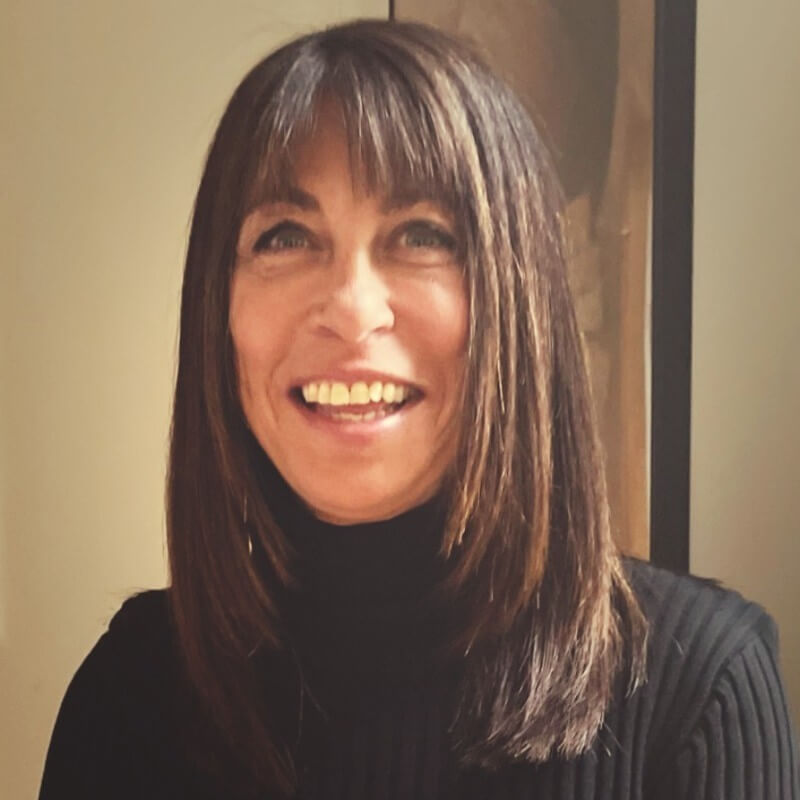
Featured Guest:
Dr. Barbara Freeman, Founder and CEO of The Savings Collaborative.
Dr. Barbara Freeman is the founder and CEO of The Savings Collaborative. She combines her global experience in finance, education, and social impact to help people and communities expand opportunity. She is also a senior consultant to the World Bank, where she focuses on technology and innovation in education.
She was a Visiting Scholar at UC Berkeley and is a certified financial counselor. Barbara created award-winning digital learning tools for English learners and students with special needs, making learning more accessible and engaging for diverse students. Earlier in her career, she helped pioneer one of the first global derivatives portfolios as a currency options dealer with UBS and HSBC, and co-founded KPMG Consulting’s Risk Management practice in Asia, building it into a 400-person team.
Episode Transcript
0:02: Welcome to Social Currency powered by Sunrise Banks, a podcast about the most innovative change makers in finance, technology, and social impact, and how they, our guests, are dismantling barriers, reshaping their industries, and perhaps even ours too.
0:16: I’m your host, Tyler Seydel.
0:19: And I’m Eric Schurr.
0:20: Here we speak to those driving positive change through social entrepreneurship, from cutting edge technology to creative grassroots efforts.
0:29: Each episode seeks to reveal the stories behind the revolution that is propelling us toward a world of financial inclusivity.
0:37: I’m Tyler Seydel.
0:39: And I’m Eric Schurr.
0:40: And today, we’re going to talk about helping traditionally underserved individuals and families create financial stability and generational wealth.
0:49: And to that end, let’s hear about Barbara Freeman.
0:51: She has lived on 5 continents, creating educational and socio-economic opportunities for others in each of the places she’s visited.
0:58: She’s a certified financial counselor, co-founded KPMG’s consulting risk management practice in Asia.
1:07: She is a consultant for the World Bank and NGO World Vision, and she’s done all of these things before her most recent passion surfaced, and that is savings collaborative.
1:18: She is the founder, the CEO and is working to make the difference in the lives of so many.
1:22: And we’re excited today to hear all about it.
1:25: Kicking it off, a framing question, Eric.
1:27: Yeah, thanks, Tyler.
1:28: Good morning, Barbara.
1:30: You’ve had an interesting and very set of career experiences to date.
1:33: Can you walk us through some of your personal and professional journey that brought you to the work you’re doing today at the Savings Collaborative?
1:41: Sure.
1:42: Well, first of all, thank you so much for having me here.
1:45: I’m excited to, to talk with you and, and grateful that you invited me.
1:51: So, I am originally from Brooklyn, New York, and I made my way through many different continents to, to Colorado, where I’ve been for a really long time.
2:03: My career started in finance, being from New York, it started on Wall Street and then the City of London, where I worked on global currency markets, and then over to Asia, where, as you said, in the intro, I co-founded KPMG Consulting’s risk management practice.
2:24: a lot, a lot more to tell.
2:27: Should I keep going a little bit?
2:29: Please do.
2:30: Yeah, so I, I, I guess, at the, you know, what holds a lot of this together, I, I, I really do like ideas, and I think conceptualization is perhaps one of my favorite words, and, I, I like to, have an idea, but then really bring it to life.
2:48: And I didn’t know it at the time.
2:49: It’s a little bit on reflection, but throughout my career, I’ve been extremely entrepreneurial, and, and in the early days, really creating new things for big institutions.
3:00: But over time, the focus of my work really shifted to what matters and, and, and of the deep values, that, that I started with, and, and that’s creating, you know, socioeconomic and educational interventions and innovations and building programs and organizations that, you know, turn these ideas into real world change.
3:25: Well, I’ll take the opportunity to jump right on in because you said something to me that just was profound.
3:31: And that was, you have inventions, but also interventions.
3:37: And that was a very profound use of words or verbology for me, simply because you’re right, if there’s something that’s going on, let’s intervene.
3:45: Let’s, let’s do this differently.
3:46: Let’s find a different approach.
3:48: The one thing that I’m starting to get excited about is it sounds like you’ve always been compelled.
3:53: You’ve been driven by something deeper, something deeper than finances, something deeper than an 8 to 5 cause you’re entrepreneurial.
3:59: What is that that’s driving you?
4:00: You mentioned softly some of the values that you have.
4:03: Could you unpack that a little bit more for us?
4:06: I’m gonna move straight maybe into the savings collaborative in, in, in a sense.
4:10: When, when the savings collaborative was founded, it was founded in conversation with a really great man, a friend, a mentor, the late George Stranahan.
4:20: And, and, and George Stranahan had a social justice nonprofit, which incubated our early work, right?
4:28: And, and George was really grounded and to the point.
4:32: And he used to say, any child on a playground knows what’s fair, and what’s not.
4:38: And, and for me, this really kind of connected with me because as a child, I staged a little protest in my playground where I had my sister and friends with signs and we picketed, life is fair.
4:52: And no one was allowed to bring it across our picket line until they admitted that life was fair.
4:57: And, and I think when I say kind of grounded in those roots, that’s what mattered.
5:02: My mother was a teacher in New York public school system.
5:07: And, and lots of stories kind of around that.
5:12: And I, I think if, if we were going to just skip to the personal level of my father walked out when I was a teen, a young teen, and I, I can truly feel what uncertainty feels like and financial uncertainty feels like, and, and, and when my dad left, my mom constantly worried that we’d lose our home.
5:36: And I think an experience like that stays with you, and it also shapes the belief that, you know, no one should live, you know, one unexpected expense away from, from possibly losing everything or feeling that you’re going to lose everything, and therefore wealth and asset building and money in itself is of course very important.
5:59: But it also goes beyond that.
6:00: It’s a, it’s about a sense of having security choices and, and, and some control over your life.
6:07: No, Barbara, thanks for sharing that because, clearly values are driven, at least in my experience, values are really formed and, and honed by, by personal experiences, and I, I, I, I wanna thank you for sharing that because it’s, it’s from that space.
6:24: Of uncertainty that you launched the savings collaborative.
6:27: Can you just maybe close the loop on that whole idea of life is fair?
6:31: So, how do you reconcile life is fair with some of those life experiences, and how does that, how, how did that help in the formation of the savings collaborative?
6:43: Yeah, I, as we talked about, I lived in a lot of places, and, and so there’s a background that, that kind of shaped all that to, to start, right?
6:54: You can see how opportunity flows, sometimes it gets blocked, and, and so there, there is a deep experience and background.
7:02: There’s also a deep educational experience that, that kind of grounds what I’m going to say because, you know, as an undergraduate, I studied economics and political science.
7:11: I have an MBA.
7:12: And my doctorate is for in educational leadership for change.
7:17: And I’ve really thought deeply about how people and systems influence each other and interact, and, and, and about how learning and economic opportunity kind of connect to one another.
7:31: So long story, and it’s a really good story.
7:33: Maybe we’ll talk about it later, but a long story about how I got from Asia to, to Colorado.
7:39: But let’s just say I ended up in Colorado, and I’m from New York.
7:43: My husband is from London.
7:44: I’ve lived internationally, and I landed in a place that, that pretty much had two groups of people.
7:51: We’ll call them Latino, immigrant populations and, and Anglo populations, and, where I landed.
8:01: Is when, when we say Colorado, I’m sure you think Denver or Boulder.
8:05: I actually landed in the middle of the mountains, between Aspen and Vail.
8:11: And as I said, you know, it’s a, it’s in the valley, and we call it the banana belt.
8:16: It’s very beautiful.
8:17: But at the same time, you can really see the strain on working families here.
8:24: The same strain that people face across the country.
8:27: And many of the people here are service, you know, they, they work in the service or the care industries, construction workers, housekeepers, restaurant workers, and so forth, childcare, they keep our communities running.
8:41: And they’re faced with rising costs of living, working gig jobs, working, you know, often juggling multiple jobs, longer distances, and, and trying to make every dollar work for them, you know, to cover just essentials, rent and childcare and food, etc.
9:00: So that’s it, you know, and, and just to take it probably one more step, and then, you know, because I know this is a long answer, but I think it frames the question just a little bit, is that for many of these people there is no safety net if something goes wrong.
9:17: So if you miss a, a, a paycheck or a medical bill or a car repair, right, it could set everything back.
9:24: And it’s not unique to Colorado.
9:27: We know, you know, from Federal Reserve studies that nationwide 30% of Americans consistently cannot cover, you know, a small $400 unexpected expense, and the communities that we particularly serve, that’s closer to 60%.
9:43: Wow.
9:44: And so, when you say strain, that strain, probably approximate that which you felt as a child, that tension, that uncertainty, you knowing what they’re probably going through because you’ve walked a mile in those shoes.
9:57: When you say no safety net, if something goes wrong, that’s, that’s absolutely true.
10:00: You’re there one misstep away from perhaps being in the bread line or maybe something you’re intimately familiar with, losing your home.
10:07: And when you start to pair that with some of the micro, or the, excuse me, the macro factors that we’re seeing in the environment, we have some of the highest credit card debt that we’ve ever had.
10:14: The largest amount of auto loan delinquencies that we’ve seen.
10:17: We had the FICO pulled back by over 100 points for over millions of consumers just here in America, kind of pursuant to and after, of course, COVID and the pandemic.
10:26: So you’re absolutely right in the sense that there’s this friction, there’s this real underserved market, and it has real consequences if they’re not served and if they’re not helped.
10:36: With all of those things considered, because you can start to feel the urgency, I can feel it just sitting in my chair right now.
10:42: What was that call to action moment for you?
10:44: What was that inflection point for you?
10:46: You’ve been traveling, you’re a globetrotter, for lack of a better turn of phrase.
10:49: You land in Colorado outside of Aspen.
10:52: What was that kind of inflection point where you said, I need to start this now?
10:56: I need to start to move into the saving collective today.
11:01: Yeah, I I don’t know that there’s ever one point, right?
11:06: I, I, I, I, I, I, I, I think that it, it, that whole of what I was explaining of moving here, the conversations with George Stranahan, the, dislocation maybe for myself of living in a rural, maybe a resort, rural area.
11:28: I think all of those factors kind of collided with, with one another.
11:33: And, and, and, and things never start, you know, they start slowly, right?
11:38: And, and for me, everything starts with research.
11:41: So it really started by working with other organizations that nonprofit and community-based organizations that were going through the same thing.
11:51: And so we tested, we weren’t sure, I, you’re never sure, I, well, at least I’m not, you might have a hypothesis, but you want to test.
12:00: Your ideas, so we, we knew something financially wasn’t right, but what was it and where do we start?
12:06: And we started that by talking with people, and, and, and when we had those conversations, including a fifty-fifty question survey, right?
12:17: And, and it was in English and Spanish and a 50 question survey really pushing back some questions, and the way people answered those, it became pretty clear to us where to start.
12:28: That’s Wow.
12:30: And so, 50 question survey, is start to get an idea of where you want to start.
12:36: I’d agree that when it probably comes to an inflection point, your whole existence is kind of in the process of becoming, putting all the tools in the toolbox for you to handle that next journey.
12:47: so I’d agree when you say, well, you know, it’s kind of in the process of becoming, there’s maybe a lot of these signs, and I think that that sounds natural, it sounds organic, it sounds very native in a sense that you’re letting that opportunity move you.
12:56: And I would just say for our viewers, George Stranahan makes some phenomenal whiskey.
13:02: I actually learned the Chattanooga Chew when I was there.
13:04: So I would be remiss not to bring that up.
13:07: And I’m sure that that led to some fantastic conversations.
13:10: It always does when you’re sharing a fantastic whiskey.
13:13: So, you’re walking this road, and you know that there’s a lot of uncertainty around it.
13:18: How did you keep yourself from walking away with all that uncertainty?
13:21: Was it because you had those answers from those 50 questions and that was the traction that you needed to take the next step, or could you walk through how you started to put this into motion?
13:29: Yeah, I, I mean, 11 thing that, that will always, when, when I say anything, I never say I created.
13:37: It’s always a co-creation, and it’s a co-creation with other people, and it’s a co-creation with the community.
13:44: So, that’s part of what makes it stick, right?
13:47: And, and I think there’s one more name that I really should throw in this journey piece is, is George’s nonprofit.
13:55: The prophet was called Manaus, and the president of that was Rob Pugh.
14:01: And Rob Pugh was very, amongst the many things in his life, he was on the board of IDEO.
14:08: And so, human-centered design, it was also at the very center of this.
14:12: So, when we’re talking about creation, it, it’s not a single person in a single way, but it’s, it, it, it’s the people, again, From the community, right?
14:23: And, and, and that, and that lasts over time.
14:27: So what makes it continue?
14:31: There’s a stickiness, and the reason I brought up the 50 questions was the fact that when we ask someone to take a survey, they engaged with that survey.
14:40: There were questions that they actually took and wrote answers to, you know, that, that, that told stories.
14:47: We asked, for example, if you found $1000 on the street, what would you do, right?
14:52: It’s just a question, right?
14:53: And, and we’re talking about low income.
14:56: And, communities, right?
14:58: And they would say, well, if I found it on the street, but it was on a main street near a store, I’d go into the store and I would say, I found this money, that, you know, that kind of thing.
15:08: Writing books on some of the answers.
15:10: And, and so that, that’s why I want to say this.
15:12: And, and we knew we were onto something because of that level of Engagement.
15:16: And of course, you move it from that piece, right?
15:20: If you really want to create it in the real world, you move it from survey to interview to to mock prototype, you know, and you begin to test it.
15:28: So I, I said, that there just comes a point where it starts to have a life of its own and other people are invested in it.
15:34: That’s how it kind of stays.
15:37: Wow.
15:38: Stories, engagement, insights.
15:41: The one thing that you mentioned there, I think is profound, and everybody listening to this can walk away with something that you maybe didn’t know before you joined this podcast, and that’s when you’re looking at survey results, go to the one that has the largest answer.
15:53: There’s probably some there there.
15:54: I think that’s intriguing.
15:56: It’s almost, it’s, it’s one of those things that unless you focus on it, and you’re truly intentional about it, you almost miss it, but it makes almost complete sense.
16:03: It’s an axiom, for lack of a better turn of phrase, because it just resonates so strongly with the core of who I am.
16:10: that’s phenomenal answer.
16:12: Can you take me through a moment when it almost didn’t work?
16:16: And what was going through your head?
16:18: Oh, there’s always lots of moments, when things don’t work.
16:25: I, I, I think, I, one, one thing we, one thing that I’ve been really focused on as I am talking about this is about, that’s just so funny because, you know, when, when you’re building something, there’s or growing something, there’s always something, right?
16:42: Yeah, there’s, there’s more that doesn’t work than works, you know, there is that stage.
16:47: Exactly.
16:47: And I think, I think that it’s, you know, to me, growing any business or starting a business or growing a business is problem solving.
16:54: That’s what it is.
16:55: Right, it’s constant problem solving.
16:57: And there are moments that are worse than others, right?
16:59: And, the, and I just want to bring my model a little bit, one step further, because we’ve been talking so much about the community aspect of it.
17:08: But really, we put together community education and technology.
17:12: And both the education and the technology piece are really core to what matters for us.
17:18: So in terms of education, a lot of what we do is, you know, learning by doing because we think that’s the key to laughing change.
17:24: So it’s real behavioral change, doing something that means really saving.
17:29: It means really going for coaching and working on your plan.
17:33: And then essentially to everything we do is technology.
17:36: So just at the highest level, we have a really easy to use multilingual savings app that has monetary incentives, behavioral nudges, hundreds of different ways to say, well done, keep it going, recurring deposits, and all sorts of interesting incentives.
17:54: So when you’re asking me things that have gone wrong, and probably the worst thing that’s ever gone wrong is related to technology and, and working with some third party providers that suddenly decide to Not provide maybe.
18:15: Or, you know, so I, I, I think that, that, that, that, that’s been some of the, the worst moments in this, Robert, thank you for that.
18:26: You’ve lived in this issue of financial vulnerability for several years now, and, and you’ve become very familiar with its causes and effects.
18:33: Can you, can you lay out the complexity of the issue, maybe highlighting some of the social, environmental, technological, and either legal or regulatory aspects that you see as critical to address for someone who’s trying to escape financial vulnerability.
18:49: Oh, that’s a big question.
18:51: It is.
18:53: Yeah, I mean, I think for, for us, I just want to make it really clear for, for us, our mission really is to get people started.
19:05: It, I, it, it’s, it’s kind of sounds easy, right?
19:09: But how do you get people to enter the system to get started, you know, our folks in that, you know, what what we know is more than half of them have had zero money at or, you know, more than half, 45 or 48% of our, our, our folks have no money at any given point in time.
19:30: Right?
19:31: So how do you go from that to begin to start to, to build this habit of savings?
19:37: So, you know, you’re reliant on your, your, credit cards, you’re reliant sometimes on payday loans or on other, you know, short term, ways of getting money in.
19:51: How do you, how can you break a cycle, right, of stress?
19:55: And so, you know, stress and debt, should I say, and So everything that we’ve created is toward that end, and we, and and kind of like you at Sunrise Bank, who just very differently, right, very intentionally decided on an organizational mode, which I think that that embraces what we needed to do.
20:23: So, so in other words, we very intentionally focused on the start, right?
20:29: So that on the lower income, low to moderate income community, that, that, that’s where our, our mindset is, and we want it to be a nonprofit, and as many times as things call us to be something different.
20:42: Organizationally, value-wise, everything we discussed, it’s really important to, to maintain nonprofit status as a nonprofit because that’s where, where we can focus and do the most, right?
20:55: We leave some of those bigger issues that you’re talking about, that doesn’t mean that we don’t have our own legal and regulatory because we really do, right?
21:03: But we leave some of those bigger finance issues like that to you, the banks to worry about.
21:08: I, I’d almost love to throw the question back to you before I continue, just because of the way that you decided to structure, you know, as a, as a B Corps, as a CDFI, I believe, you know, I think that that, that, that the way one chooses to, to, to organize actually talks about perhaps designing for the community’s social responsibility, you know, and, and how you’re feeling.
21:33: And I, I don’t, can I throw that Question back to you, so you talk for a minute and I get to listen.
21:39: Sure, I’ll take a stab at it first.
21:42: I think for sunrise, our secret sauce in building community is helping to build resources, common resources that the community uses.
21:51: So I think we focus in on some of the more common, common aspects.
21:57: So think community centers, whether it’s refurbishing an existing one or financing a new one.
22:03: In addition to providing individual services, because the, the ethos of the bank is if the community around the bank thrives, the bank will thrive.
22:12: So, so for us, we know that while we provide individualized solutions to help people get on board and acclimated into the financial services system, we also know that there is this larger aspect where we need to raise the level of the water, so that all boats can float a little bit, a little bit higher.
22:35: Yeah, I, I think it’s really important, and, and, and that mindset, right?
22:41: which, which you talked about where success depends on people’s success, right?
22:46: I think that’s where the change begins, and, and I think that a whole lot of the background, whilst extremely important, affects your day to day.
22:57: Unfortunately takes up often your day to day, the legal, the technical, the, you know, the technology, these things are, are, are, are technical in a sense versus adaptive changes, right?
23:12: And, and I think you deal, you, you just work your way through those, but I think That by, by understanding that your success depends on the people’s success that you serve, that I think that’s when you can start to see change occur.
23:25: Sure.
23:26: You know, there, I, I, I would follow up by asking, you know, there seem to, I’m sure you’ve seen certain clients that are more successful in establishing a financial foundation than others.
23:36: You’re just one piece in that, in that puzzle, as you’ve mentioned.
23:40: Do you see outside factors that, that help these more successful people address, in addition to the services that you provide to get more stability under them?
23:52: Because you mentioned, you know, you alluded to this, there’s this emotional stress that goes with it.
23:56: When you’re, when, when you’re working two jobs, you have less time to actually spend.
24:03: Potentially managing your finances.
24:06: Are there, so are there other things besides what you offer that you see folks taking advantage of or addressing that help their overall wellness?
24:17: Yeah, interesting.
24:18: I, I, I think.
24:20: Sometimes they’re just ready to take that step.
24:23: I think very often, you know, I, we didn’t really, the mission of the savings collaborative is to build financial resilience and generational wealth.
24:33: And when I think about financial resilience or the people that often come to our counselors or, you know, we have certified financial coaches and counselors, often it’s in times of crisis.
24:46: So sometimes, you know, you just, you had a divorce, something changed in your life, you, you need to start to budget, you need to plan, it’s just kind of thrust upon you.
24:57: So sometimes people start that way.
24:59: Other times people lack the confidence or the tools or the ease, good products, good services.
25:06: So, so for example, our app is multilingual.
25:09: It’s easy.
25:11: Our community ambassadors come from the communities they serve.
25:14: They’re really, really patient.
25:16: They get it, and they recognize it’s not time to start.
25:20: So a lot of times I think it’s just about timing, and I’ll tell you one thing that’s fascinating to me, I’m not sure it 100% answers your question, but it kind of does to me.
25:34: It it’s really, you know, sometimes we can get people to start.
25:38: And there’s some sort of struggle.
25:40: It takes about 9 months to get from 0, never having saved before, to something around $400.
25:47: It takes the same 9 months to get from $401.
25:52: To over 20 to $2500 same amount of time.
25:57: Something just magical happens at the number 1000.
26:01: I can’t, you know, I, we’re gonna have to dive into this.
26:04: I, I, I can’t wait till I have time to really step back and study this, but well over 90% of the people that hit the $1000 go on to save $2500 or more and start to hit different kinds of goal.
26:15: I think that’s just, you know, and, and so I, I wanna say that somehow there’s a process going on here.
26:21: our motto is little by little and step by step something adds up.
26:27: Sure.
26:27: And on the website, you talk a little bit about the role social, socio-emotional development plays.
26:34: Can you define that for us and just talk about how socio-emotional development plays a role in the success of your clients?
26:43: Yeah, I mean, I think success leads to success to some extent.
26:47: I’ve been obsessed for years with, I think you said in the beginning that I worked for the World Bank, so I, I’ve worked with the World Bank for many years, and I particularly A project, called Evoke, which is a, a gamified learning platform that helps young people, solve the world’s most complex problems.
27:09: And for them, I co-wrote a, something called the Social Innovators Framework.
27:14: And the social innovators framework really works on skills such as creative problem solving, collaboration, you know, empathy, and, systems, change, courage, and, and a number of the kind of cross-cutting things such as, you know, say curiosity, and so forth, and, and I think that that.
27:40: Gaining these skills, being listened to by our community ambassadors, the patience piece of it.
27:49: I, I think all of that when I’m talking, when I’m thinking about, development, it, it, it just takes time.
27:56: And so, so for me, when you’re thinking about education, it interacts with the, socio-emotional and, you know, development, Does that make sense?
28:08: it’s, I’m trying to hold back a little too deep into that because I’ve spent decades of my life thinking about that.
28:15: Well, and I would say there’s probably a lot of depth there.
28:18: in relation to social innovators framework, we will certainly take a look at that.
28:23: I will say that when you start getting into things that kind of cut across competencies like curiosity, it really starts to become intriguing.
28:31: One thing that you started to mention is that, you know, Success depends on people’s success, and that’s where real change begins.
28:39: That’s a profound statement.
28:41: it very much parrots who we are at sunrise, and very much whose savings.
28:48: Collective is, but I guess what I’d look to say are is.
28:55: What is it that you think, top of mind, as I’m struggling to find some of my wordings and I’m putting this all kind of into the hopper right now.
29:02: What is one truth that you could whisper into everybody’s ear?
29:05: What would it be?
29:06: And you had one already, and that is that success depends on people’s success.
29:09: Is there any other truths that you’ve learned that you’d be willing to share with the listening audience?
29:13: , to repeat, I guess, maybe.
29:19: Little by little, and that nothing is a straight line.
29:23: Right, and so directionally trying to move in a, in a good direction, right?
29:30: I, I think is the key, and there will be setbacks, and there’s no kind of one path or no single way to do something, I think that’s I think, yeah, I think there’s a lot of truth and wisdom there.
29:49: How would you like people to feel, or how do you want them to feel after they’ve engaged with savings collaborative?
29:57: I mean, I, I, I, I, I really want them to Feel more financially secure first and foremost.
30:07: I, I think it’s, it’s, the reason that we’re there.
30:15: I want them to feel good about going through the process, but I want them to, to feel a sense of, of, I can weather an economic shock, or an emergency.
30:25: I, I, that I’m not alone.
30:29: I want them to feel better because they both have money in the bank
30:33: And that they’re starting to actually build the habit of savings and, and good financial habits.
30:41: I want them to have, you know, I, I, I guess to some extent I’m talking to my outcomes in a way.
30:46: You know, I, I, I’d like them not to have a debt overhang, to be able to manage debt in a good way, that they have the credit scores either starting and establishing them or improving them or rebuilding them, but that they have a good credit score that’s going to give them the choice and opportunity.
31:06: So, so, so I, I, I think first and foremost feeling good about, you know, just, just a little more comfortable, financially.
31:18: I think that’s a profound answer.
31:20: And I think that if anybody is listening to this, that answer, that string, those words, the feelings, the sentiments that you’re conveying.
31:28: Why would you wanna work with anybody else?
31:30: Your sole focus is on their success.
31:33: You’ve traveled the world, you’ve engaged all these experiences, you’re a product of them.
31:38: And with all of that, you decided, I wanna help others.
31:40: That is exactly the kind of folks that we want on the podcast.
31:43: These are the kind of missions that we wanna support, and that’s exactly what the bank looks to do as well.
31:47: Where then, maybe as a closing question, where do you see the next big transformation coming from?
31:52: In savings, finance, or otherwise, where do you see this next big transformative moment arriving?
31:58: I don’t know that I could talk to transformative moment globally because we’re in uncertain times, but I can talk about it in terms of where I see it for the savings collaborative.
32:11: I think right now we do have those different on-ramp, right?
32:16: We do have a set of really great partners across different industry sectors, finance and banking, housing, workforce.
32:27: And very often the partners that we work with, we have a fairly, I’m going to use the word traditional, but a traditional referral cycle.
32:38: So this client, you know, could, they can’t buy a home, refer them to us so we can get them credit ready, for example.
32:46: This is fantastic.
32:46: This is great.
32:48: What we’re really focused on these days is, is looking to figure out how can we take the friction out of the system.
32:57: Are there ways, right, to take a to, to move from these more standard referrals to really embed what we do into places where people already live, work, and learn.
33:11: , and, and for me that that’s our technology piece which is really important.
33:17: So creating a layer and also really mapping processes so that you can get that financial coaching, so that you can get that easy tool to get started, so that you can have access to that little bit of financial education or debt management fund that you need right in the system.
33:35: , where it belongs rather than a break in the system.
33:39: So that’s where, that’s where our focus right now as an organization is.
33:45: I mean, continuing doing what we’re doing as we’re doing it remains equally important, but that is for, for, for, for me, our next strategic move.
33:57: Barbara You’re clearly driven by the work you do.
34:01: You’re clearly driven by deep values that you’re trying to live on a daily basis.
34:07: Let’s shift gears for a minute.
34:09: When you’re off the clock, and you’re trying to just for a minute, just for a minute, recharge, what drives you outside of work?
34:17: What do you enjoy doing?
34:18: Yeah.
34:19: Well, thank you for for that.
34:21: I, I, I, I mean, I’m actually extremely privileged.
34:24: I am extremely lucky.
34:26: I have an amazing family, and a husband and two kids.
34:30: My husband is really funny, actually, my kids are really funny too, and, this, this spring, we, ran the Brooklyn Half Marathon together.
34:41: It was hard and it was fun, but we all did it.
34:45: And, and as I mentioned at the start, I’m from Brooklyn.
34:48: My mother still lives in New York, so we’ve got an excuse to see her, but, but truly running keeps me super, super grounded, so, so to speak, I guess, and funny to me, lately I’ve been, As I said, I live in the most beautiful place in the world, but I’ve been doing my runs on a treadmill with IFit because I love the IFit trainers.
35:11: I love having my own personal financial coach just like these guys have.
35:14: I’ve got my own running coach, right, without it being too expensive.
35:19: And so I’ve been running in South Africa lately, which is fantastic.
35:22: It takes me a million miles away, as do books.
35:25: I’ve been reading, you know, I read a lot recently fiction because it just takes me away.
35:30: And I guess the, the other bit that’s truly what I, you know, I, I mean, there’s a reason I’m here.
35:37: I love to ski, so I, I really do go outdoors cause, and, and so I ski both downhill and cross country skiing, which I, I come to love more and more, so.
35:49: I do do things outside of this a little bit.
35:53: Well, we know that there might be whiskey as a passion in there if we’re gonna channel Lord George.
35:57: So, I mean, I imagine, well, Barbara, we appreciate your time today, as well as all the insights, as well as thought leadership that you shared.
36:07: You were a fantastic guest, but what I will say more than anything is that the level of wisdom and some of the things that you got us to think about today was very profound.
36:18: So, we appreciate you joining us today.
36:20: And the one lesson that I’ve taken away from this, just in closing is that hard and fun describes a half marathon as well as a workday.
36:28: I appreciate you and your time.
36:30: Thank you.
36:31: And I really appreciate the two of you, and this, these have been really great questions and have given me a chance to reflect as I talk.
36:40: So thank you very much.
36:42: Thank you.
36:46: And that engaging dialogue was powered by Sunrise Banks, member FDIC equal housing lender.
36:52: Thanks for listening to the Social currency podcast by Sunrise Banks.
36:56: If you’ve enjoyed this episode and you’d like to help support the podcast, click like and subscribe anywhere you get your podcast content.
37:02: We’ll see you soon.