



Financial institutions seeking to meet their Community Reinvestment Act (CRA) obligations have a powerful and often underutilized option: placing deposits in certified Community Development Financial Institution (CDFI) banks.
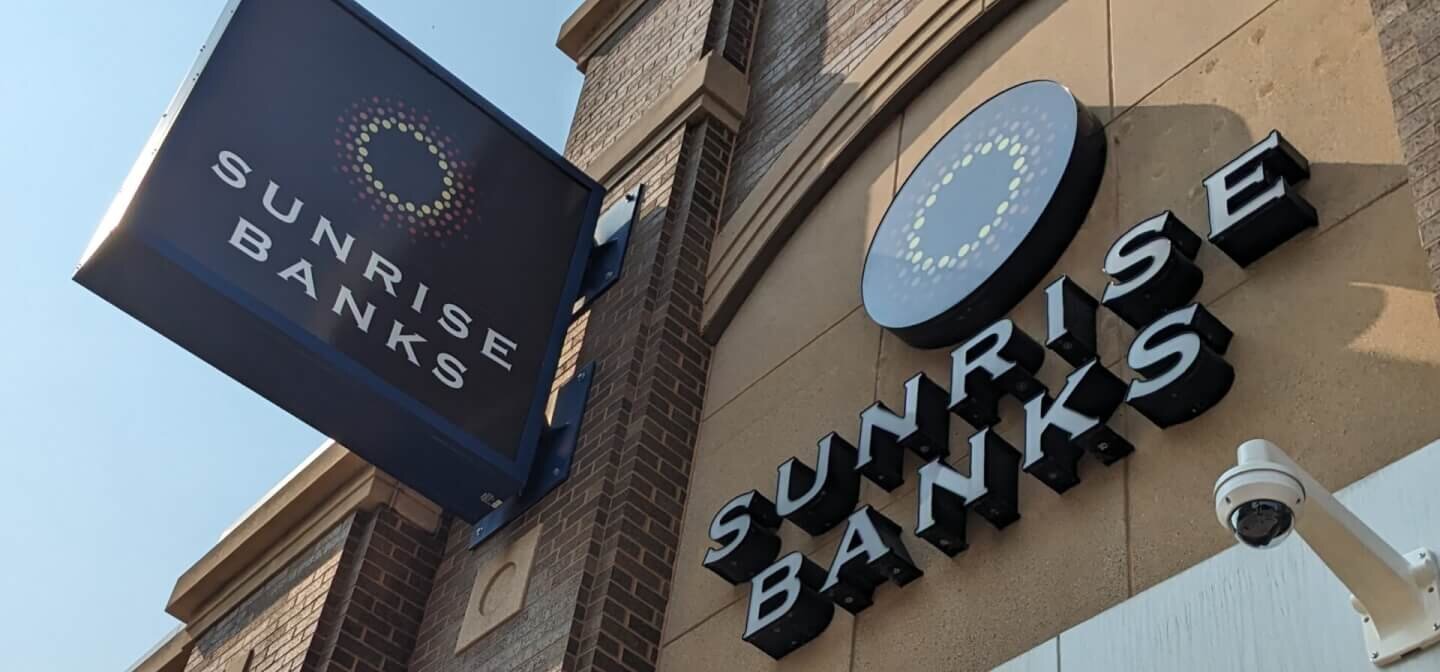
Sunrise Banks is one of just two CDFI-certified banks in Minnesota, and the only one in South Dakota. To earn this designation from the U.S. Treasury Department, we commit at least 60 percent of our loans in low-to-moderate income neighborhoods, per U.S. Census tract data. By serving these traditionally underserved communities, Sunrise Banks lives up to its mission to create economic opportunities where they are needed most.
As regulatory expectations evolve in 2026, these deposits may offer a straightforward, effective way for financial institutions to earn CRA investment credit while supporting meaningful community development.
What Makes CDFI Deposits CRA-Qualified?
CDFI banks are mission-driven financial institutions certified by the U.S. Treasury. Their core purpose is to provide financial services in economically distressed and underserved communities; areas that traditional banking services may not adequately reach. Because of this clear community development mission, regulators may recognize deposits into CDFIs as “qualified investments” under CRA guidelines.
A qualified investment is broadly defined as any lawful investment, deposit, membership share, or grant that has community development as its primary purpose.
For many financial institutions, deposits with certified CDFI banks serve as a valuable complement to an existing CRA strategy. While banks often pursue a range of impactful community development investments and partnerships, CDFI deposits can provide an additional avenue to generate community impact and CRA consideration through a familiar deposit relationship. Because community development is central to a CDFI’s mission, regulators may recognize deposits in qualifying CDFIs as eligible CRA investments.
 “This isn’t about creating a new CRA strategy; it’s about enhancing the one that banks already have,” says Damon Sehr, Market President-South Dakota for Sunrise Banks. “Deposits with a CDFI bank can fit naturally within an institution’s existing liquidity stack while creating an additional opportunity to generate CRA investment consideration and support communities that need access to capital.”
Updated Regulatory Framework for 2026
As of January 1, 2026, updated asset-size thresholds determine how banks are evaluated under the CRA:
- Small Banks: Less than $1.649 billion in assets
- Intermediate Small Banks (ISBs): Between $412 million and $1.649 billion
- Large Banks: $1.649 billion or more in assets
These classifications influence the type and scope of CRA activities expected from each institution. , offering flexibility across the regulatory spectrum.
These investments may qualify if they occur within a bank’s immediate assessment area or within a broader statewide or regional area that includes it. This may give banks additional latitude to deploy funds where they can have the greatest impact.
Key Benefits of CDFI Deposits
Financial institutions can see several benefits when placing deposits with CDFI banks, like Sunrise Banks. This strategy can contribute to a bank’s overall CRA evaluation while also meeting the needs of the community and contributing to positive social impact.These deposits enable financial institutions to support affordable housing, small business growth, and economic revitalization in underserved communities, all while meeting CRA requirements.
In addition to traditional CRA investments and community development activities, deposits with CDFI banks can often be incorporated into an institution’s existing treasury and liquidity management strategy. This allows banks to align a portion of their liquidity portfolio with CRA objectives while maintaining flexibility through familiar deposit products and structures.
Institutions can structure deposits in a manner that supports both balance sheet management and community development goals.
Maintaining FDIC Coverage Through Large Mission-Based Deposits
Financial institutions seeking to align liquidity management with community impact have a powerful option through the Advancing Communities Together® (ACT®) Deposit Program. Developed in partnership with the Community Development Bankers Association (CDBA), the National Bankers Association (NBA), and IntraFi®, the ACT Deposit Program connects financial institutions with mission-driven CDFIs and Minority Depository Institutions (MDIs), such as Sunrise Banks. This enables institutions to place deposits that can help unlock economic potential in underserved communities.
Deposits can be structured through a variety of account options, including operating accounts, savings accounts, and certificates of deposit, allowing institutions to align deposit terms with existing treasury, investment, and liquidity strategies.
For institutions seeking expanded FDIC insurance on larger deposit balances, Sunrise also offers solutions through the IntraFi® network:
- ICS® (IntraFi Cash Service®) provides expanded FDIC insurance for eligible transactions and savings account balances while maintaining liquidity.
- CDARS® (Certificate of Deposit Account Registry Service®) provides expanded FDIC insurance for fixed-term CDs.
Together, the ACT Deposit Program and IntraFi solutions allow financial institutions to maintain a single banking relationship with Sunrise while aligning treasury management, regulatory objectives, and meaningful community impact.
Federal regulators, including the Office of the Comptroller of the Currency (OCC) and the Federal Deposit Insurance Corporation (FDIC), may recognize deposits in CDFIs as eligible-CRA activities. Guidance from these agencies confirms that loans to and investments in qualifying CDFIs (including deposits) may be considered during CRA evaluations.
Additionally, FDIC resources identify deposits as one of the three primary ways institutions can support CDFIs alongside loans and equity investments. OCC materials further highlight the role of bank partnerships with CDFIs in promoting economic development and revitalization.
“Banks have long played a critical role in supporting their communities through lending, investments, and community partnerships,” says Damon. “Deposits with a CDFI bank provide another avenue to extend that impact, helping channel capital into underserved communities while complementing and strengthening an institution’s broader CRA strategy.”
Your Partners Matter
Banks have long served as catalysts for economic growth, community investment, and financial opportunity. Through lending, investments, philanthropy, and community development initiatives, financial institutions help create stronger local economies and more vibrant communities. Choosing the right partners can further extend that impact.
CDFIs were specifically created to increase access to capital in underserved and economically distressed communities. By design, they focus on expanding economic opportunity for individuals, businesses, and neighborhoods that have historically faced barriers to traditional financing. When banks partner with CDFIs, they help strengthen that mission and increase the flow of capital into communities where it can have an outsized impact
As banks navigate evolving CRA expectations and increasing pressure to demonstrate meaningful community impact, deposits with certified CDFI banks may offer a practical and scalable complement to broader CRA strategies. With regulatory recognition, flexible deposit structures, and the ability to integrate into existing liquidity management programs, these deposits provide another avenue to align business objectives, regulatory goals, and community impact.
Together, banks and CDFIs can create powerful partnerships that expand economic opportunities, strengthen communities, and help ensure capital reaches the people and places that need it most.
To learn more about how Sunrise Banks can support other financial institutions and their CRA performance, visit sunrisebanks.com/cra-qualified-deposits.
Member FDIC / Equal Housing Lender