


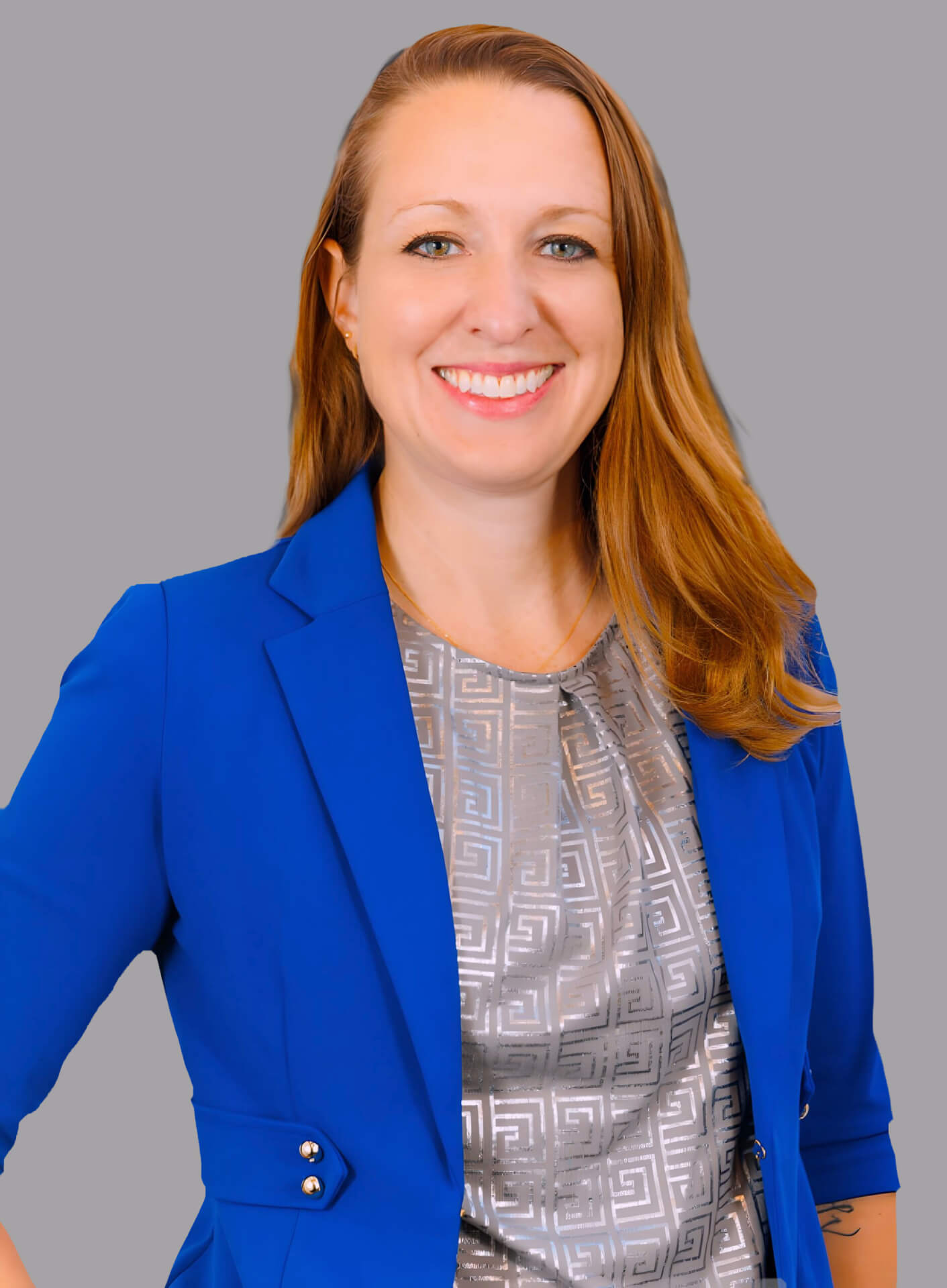
Kristen Castell
Managing Director of the Center for Accelerating Financial Equity (CAFE)
Kristen Castell is the Managing Director of the Center for Accelerating Financial Equity (CAFE), a nonprofit national innovation ecosystem bringing together banks, fintechs, investors, and innovators with technology solutions to improve financial wellness for low-to moderate income people. A longtime finance and fintech leader, Kristen has spent more than two decades at the intersection of financial services, technology, and innovation at BlackRock, JPMorgan, and as a fintech entrepreneur.
CAFE’s flagship accelerator program and industry initiatives support mission-driven fintech companies scale through partnerships with financial institutions and investors. Her work is grounded in a simple belief: the biggest challenges in financial inclusion can’t be solved by any one organization alone; they require collaboration across the entire ecosystem. Kristen is a frequent speaker on fintech innovation, financial equity, entrepreneurship, and the future of banking.
0:02 Social currency powered by Sunrise Banks is a podcast that introduces you to some of the most innovative change makers in finance, technology, and all things social impact.
0:10 We walk through how they’re opening doors, reimagining industries with a focus on community, conservation, and accessibility.
0:17 I’m your host, Tyler Seydel, and I’m Eric Schurr.
0:21 From social entrepreneurs to compliance innovators and payments pioneers, we share the stories behind a growing movement working toward a world where opportunity is within everyone’s reach.
0:33 I’m Tyler Seydel and I’m Eric Schurr, and today we’re going to talk about profit and purpose and how those two things can intersect to help those in low to moderate income communities.
0:44 Our guest today is Kristen Castell, the managing director of CAFE, the Center for Accelerating Financial Equity.
0:52 She has over 20 years’ experience in the fintech and financial services industry, and under her direction, CAFE has built and leads one of the national FinTech accelerator programs that’s dedicated to moving financial outcomes for low to moderate income individuals.
1:06 Kristen, welcome to the show.
1:09 Thanks so much for having me.
1:10 I’m really excited to be here.
1:12 What does your personal and professional journey look like?
1:16 And what were the pivotal moments that led you to become the executive director of CAFE?
1:21 Yeah, thank you.
1:23 so, you know, I, like many people in the US, come from an immigrant family.
1:29 so my family came over on the boat from Yugoslavia, you know, didn’t speak English.
1:34 My grandparents kind of worked their way up with multiple jobs, which afforded me, you know, the opportunity to go to, to go to college and then work in the financial services industry.
1:43 So I spent a lot of my early career, at large financial institutions like JPMorgan and BlackRock and, you know, building different investment products.
1:53 I got really passionate when I learned about impact investing while I was in corporate and how our company is really treating their people and have more efficient operations, which not only are better for the world, but really long, it really can add to long term value and and materiality for a company.
2:09 And I said, wow, this is really amazing.
2:11 It goes back to the profit and purpose theme, In that vein, I decided to leave corporate and be part of building a fintech company right around the time of the pandemic, and this was for values line investing.
2:23 And, you know, how are people investing their money in ways that really matter to them and also better for the world.
2:30 and, you know, when I left there, I was looking really to stay in the space.
2:35 I was meeting such amazing entrepreneurs and founders and technologies, and I want to maintain doing something for social impact and financial inclusion.
2:43 And so really found my dream opportunity when I met a group of people in Delaware building the FinTech Innovation Hub.
2:51 And what we did is we launched a whole new organization we call CAFE Center for Accelerating Financial Equity.
2:57 The idea here really starting with the why is, you know, many people listening, you know, you’re seeing people struggle with their finances in your communities, in your families, on the news, all across the US.
3:11 And, you know, we believe that this is, this is a big problem, right, for people to just to get, you know, finances are just a way to really get things that matter in life, whether it be, you know, education and housing and, you know, just comfort and security.
3:26 and we also believe that the technologies, especially today, can help people with their financial wellness.
3:31 And so that was the idea for CAFE.
3:34 Our mission’s advancing financial wellness for low to moderate income people.
3:37 What we do is we really bring together the financial services industry.
3:41 So working with financial institutions like Sunrise Banks, with the investors, with the regulators, with industry leaders all across the country, and bringing them together with these FinTech founders that You know, see a problem in the world like people can’t access money for loans to start businesses or for personal loans and have created technology solutions to do that.
4:04 And so what we do is we help these startup fintech companies really connect with the industry in order to grow not only their companies, but their products that we believe really help people when they get it in the hands of people.
4:15 And so the last 3 years with CAFE, we’ve worked with, you know, over 45 of these companies and founders and connected them with the industry.
4:23 And have different programs to do that, different accelerator programs.
4:27 So it’s been, it’s been awesome.
4:29 Yeah, I think when people hear your background, the Black Hawk, JP Morgan, FinTech startups, I think everyone assumes that the logical next step for you is going to be another executive role, maybe similarly situated, and instead you chose to build a career really around financial equity.
4:45 And you walk through some of the rationale and the reasoning.
4:48 Was there a moment in your career where you realized perhaps that traditional finance works as designed?
4:53 But it doesn’t work for everyone.
4:54 And what was that inflection point?
4:56 Yeah, great question.
4:57 I think when I was building investment products in these large institutions, for me, it was always, you know, it wasn’t just about the numbers.
5:04 And so I always try to make that meaningful.
5:06 So I would bring together, you know, these investors and these salespeople and marketing and technology, and we’d be building these mutual funds or these investment products.
5:14 But for me, it was always, what, what are we building these for, right?
5:17 Looking at what’s the why, the end person that You know, was saving for retirement or, you know, trying to grow their wealth in a certain way.
5:26 Now, these were for mostly mass retail people or even maybe wealthy people, right?
5:31 But, yeah, I, I, I, when I, when I learned about impact investing and also like how are we using money and there’s so many people that don’t have access, I guess, to the even the products that we’re building.
5:42 I mean, mutual funds I love because you can get in.
5:45 And invest at like a low dollar amount, like $1000.
5:47 I was like, wow, that’s great.
5:48 Like this is actually bringing some access to people.
5:51 But then thinking about a lot of people that can’t even access a bank account or a loan or never mind investing, I wanted to kind of be part of that solution and especially with technology now, there’s, there’s so many ways to do that.
6:05 And so, yeah, so I was building products for, you know, wealthy people, and now it’s like we’re building products really to help really what’s the majority of the population that may be struggling day to day and getting those is not only about education, it’s really access to those products.
6:20 And so You know, banks like Sunrise Banks that are reaching, you know, your customers, it’s like, what kinds of technologies can help you better personalize and meet them where they’re at and maybe provide, you know, what they’re looking for in their lives that really will make a difference.
6:34 And what’s great is it’s not like out of the box products anymore.
6:37 Now with technology, we can actually customize and personalize to people’s lives.
6:42 Like I joke, like I was building all these products.
6:44 There’s no products anymore.
6:45 It’s about experience.
6:46 It’s about how are you actually integrated into how someone actually lives.
6:50 and so it’s amazing to like work with these amazing founders really that, that see these like problems, build these solutions and work to integrate them in the industry.
6:58 So we’re just a support for that.
7:02 I think what you capture there, and it’s something that rings true for me, is that you’re not building products, you’re building experiences.
7:09 And that’s something that really carries.
7:11 You could even see it with Instagram, Facebook, and some of that market competition that they had, and Instagram was outpacing Facebook because it just took less clicks to post a picture.
7:20 You’re absolutely right in terms of experience, even ease, if not even access.
7:24 With the 25 year old.
7:25 Kristen, that black rock, seeing what you’re doing today, would that surprise her or what would surprise her the most?
7:30 It wouldn’t surprise, surprise me necessarily because I always wanted something like, I actually, it’s funny, I loved math.
7:36 That’s why I went into finance, and then I never did math again, which is kind of an overstatement.
7:39 But like, I was like, what do you mean?
7:42 And what I realized, you know, what was surprising and what I’ve learned really the last, especially the last many years, it’s all about relationships.
7:49 Whether you’re in these institutions or now I’m out in the world building and connecting people.
7:54 My job all day long is these relationships and, and, you know, in any type of small business or large business or any kind of anything you’re doing in life, that’s like, I think the biggest lesson and like building those connections is the most important thing and you can’t really build anything on your own, right?
8:09 And so, I think that’s the thing.
8:11 And like, I guess what was surprised me is like, yeah, my whole kind of career and life professionally and personally is all about that, like making those connections, meeting these amazing people all over, doing all different things and like, Connecting the dots and connecting these relationships.
8:26 And so, that I think would be, would be pretty cool to like share with my younger self.
8:32 You know, I, I appreciate some of that insight, you know, and it gives us a unique opportunity just to create a little bit of reflection.
8:39 And you’ve been talking a lot really about purpose, maybe what we would juxtapose is, you know, mission versus margin, saying it all differently.
8:48 How do you convince skeptics that profit, profit and purpose aren’t competing objectives?
8:53 It’s so interesting that we have to still talk about this, and I’ve talked, you know, talk, talking about this for so many years, pretty much, you know, anytime I’m at a conference or speaking, because it does seem, you know, what’s the tradeoff?
9:08 Like, oh, is this a charity?
9:09 What’s the tradeoff if it has some kind of purpose and helps people, like, is there, are we going to make less money on it?
9:15 And I don’t think it has to be any kind of tradeoff, right?
9:19 It’s, it goes together.
9:20 Like for instance, when I first heard about impact investing, if you’re helping, if a company is helping their customers, their people, right, get somewhere and that that creates like a long term customer and long term value, which is better for the business and better for the person if they’re getting value out of that.
9:36 And so the profit and purpose is something that actually multiplies itself rather than trading that off.
9:42 And so, you know, the founders and, and, you know, the banks and others I work with in the industry like understand that.
9:49 And so they are focused on how are we actually Helping people because we know that that’s actually also going to be good for our business and our bottom line.
9:58 And of course with these mission driven fintechs, when they’re working, you know, they, they sell their technologies through financial institutions, have to position it like, hey, what’s in it for them?
10:06 You’re going to gain more customers, you’re going to service people in better ways, etc.
10:10 which is good for your bottom line.
10:12 But, you know, also what is the real impact on people’s lives.
10:15 And so, yes, I think profit and purpose go together, and I’m looking forward to a time where we don’t have to specify that for people.
10:25 I would agree in so many words.
10:26 It’s simply because I think in a manner of speaking, or at least my perspective surrounding the issue is that Purpose always leads to profit.
10:34 Purpose leads to revenue.
10:37 and at the end of the day, people almost divorce themselves from that way of thinking, well, then what are you really taking to market if it serves no quote unquote purpose?
10:45 that’s a, it’s a tough quote on product to sell.
10:49 the last thing that I’d really like to touch on just around what you were mentioning around access or, or maybe if I term that differently, financial equity, you know, what is the biggest misconception people have when they hear that phrase, financial equity?
11:03 They think it’s all about education and like what, you know, teaching people things, giving out financial literacy pamphlet, like all of that, which is great.
11:12 I mean, people need to understand education and how credit works, etc.
11:16 but, you know, how we work is really in the real industry of technology and access to actually Like getting people products that, for instance, you know, many of our companies work where, to solve the problem of, of credit scoring, and a lot of people new to this country or a lot of people maybe they don’t have great credit, don’t have a great credit score and then can’t access loans either for their business or personally, etc.
11:42 And so it’s more about creating systems where actually we’re looking at people in different ways and, and through technology to then give them access to capital that helps.
11:52 Their lives.
11:52 So it’s actually, I think when people hear that word, it feels like, oh, this is nice.
11:56 Of course I believe in that.
11:57 Like this is, you know, let’s, let’s, you know, let’s help people.
12:00 But they think that’s more about like, here’s a pamphlet rather than, no, what are the products that their own financial institution, maybe that they’re working with already or maybe that’s in their community that they could be working with, could actually help them access, that actually could help their lives.
12:16 and so that I think that’s the, I think that’s the biggest misconception people have.
12:21 Do you see FinTech founders challenging the current economic system with their products and services as they’re going to address low moderate income, income communities?
12:29 If so, can you give some examples?
12:32 Yeah, great question.
12:35 I think many of the fintechs that we work with, are not challenging necessarily the embedded financial system in that the fintechs we work with aren’t necessarily competing with embedded banks and financial institutions, but working with them.
12:50 And that’s another thing I talk about a lot too.
12:52 And a lot of our, our founders talk about, like they want to partner with the embedded institutions that are already working with people and working with customers to give them more access, rather than, you know, some fintechs out there as we’ve seen, are trying to to displace existing banks and systems like that.
13:10 so, no, I think, and we do a lot, you know, of work with bringing banks and FinTechs together and what are the partnerships and how do we, you know, FinTech’s doing all these innovative technologies that can help their people and their customers and banks having the established trust potentially in their communities.
13:25 And so how are we working together to then actually reach people with technology?
13:29 What conditions do you see that would need to change to help motivate founders to think potentially outside the system?
13:39 To outside the financial system, yeah, yeah, outside the existing way of doing things, yeah.
13:45 Yeah, I mean, our founders are, are so creative and innovative, you know, they see, they see a problem, For, you know, for instance, one of our founders, you know, they.
13:56 Their child, their child’s teacher, their car broke down and they couldn’t get to work and so she lost her job and she couldn’t get a loan to like repair the car, right?
14:05 And so then he built a company that was, you know, able to give microloans to people using different scoring.
14:12 so yeah, a lot of our founders have built really innovative solutions and can think outside the system, but But also I’ve realized in order to actually scale and reach people and actually like get this to people in people’s hands, you have to work within the initial system.
14:26 I would love to be like, all right, let’s just rewrite it.
14:28 Let’s do a whole new thing, right?
14:29 And I was very interested in, web 3 and blockchain and, you know, the decentralization and things like that.
14:38 But what we’ve realized, as you’ve seen kind of everything happening in the industry with, with stablecoin and blockchain.
14:44 The, the embedded players, you kind of have to work in the system that people know and understand.
14:48 It’s hard to just kind of throw everything out, right?
14:50 So, I think the founders realized that and are building solutions for these that actually work with institutions that aren’t totally new, that you have to like really get an educational curve to understand, but are different in a way that really makes a difference for like a bank’s customers are really reaching people where they’re at.
15:09 so yeah, so a lot of the, the, the ideas and solutions aren’t like totally groundbreaking and new that I work with in the financial institutions, but, but they’re differentiated in a way that actually like, can reach more people and actually provide better value and outcomes that make a difference in people’s lives.
15:31 So, yeah, I don’t know.
15:33 I, you know, I think there are people building kind of moonshot ideas that are totally different, which are super interesting and can happen.
15:38 I mean, we didn’t know, you know, what was it like years ago, you know, how do you live without like ride, ride share now, right?
15:46 Like the different, different ride apps where you can just call on your phone, right?
15:51 And it’s like someone had to think of that idea.
15:53 So, There could be things like that that come up in the financial services industry.
15:58 I haven’t seen them yet, but again, in order to really scale a company that’s going to be in the hands of people like sooner rather than later, you kind of have to work within the embedded system.
16:08 Yeah, no, I, I would agree with you.
16:09 When you’re talking from from a scale perspective, that, that is absolutely true.
16:13 we were having lunch recently talking about The fact that founders, you know, as we meet founders along their way, what we have to realize and just keeping the, you know, keep keeping the forefront of our minds is that these founders, this is their dream, and this is what they’re trying to, you know, they’re trying to realize, a vision that they’ve set for themselves.
16:32 The comment I’ll make is I’ve just seen, especially with amongst low moderate income communities, they, sometimes they come, they’re, they’re relatively, they’re relatively new to, to the US.
16:42 they bring cultural norms and practices and maybe ways of doing things that, especially with financial services and sharing resources that might be a little foreign to the way that we work here in, you know, in, in the US and North America, and then, you know, in, in, in established financial systems.
16:58 But at the same time, there’s, there’s value in some of those concepts as well, because they’ve served these cultures well for generations.
17:07 Yeah, one of, I mean, with that, one of my founders have built a company named Wealthy based on their experience from Africa and these circles of sharing like kind of financial knowledge and like sharing with each other.
17:18 So this, but this is like, you know, basically embedded in a banking app where people can actually get in these circles and talk about their goals or support each other, and then the bank advisors can help them.
17:29 So yeah, taking other cultures, but then bringing that into, well, how can we digitalize it and scale it and bring it into the banking system.
17:37 So I’ve, I’ve definitely seen some of that in the, in the fintech companies.
17:42 So we’ve been kind of talking around and even hitting it head on in so many ways, building a financial systems that serves people more.
17:51 and I think that that’s a huge ambition.
17:54 What did you see that was missing from the existing, financial services space, saying it no differently, that you felt or that made CAFE necessary.
18:05 Yeah, thank you.
18:06 I mean, yeah, back to the initial problem, it’s like there’s people are still really struggling, and what can we do, especially with the, with the ability now to build all this technology, and we just need the right people to do that.
18:19 I think it’s, yeah, what I saw when I was in big institutions, it’s building these, these like in the box products that are supposed to fit everyone’s needs, that, you know, that don’t basically, and people don’t understand them, they don’t have access to them.
18:35 and so, you know, the example again is, you know, the credit scoring, like a lot of, you know, the credits, the old fashioned credit scoring system that doesn’t work for many people because it only takes into certain factors, and to get a credit card you need credit, and then you need a credit card, so then you build your credit, but people don’t have access to that initially.
18:52 So then how do you build your credit?
18:54 so these, you know, these types of technologies can look at people, maybe they have income for a job or they’re a gig worker.
19:00 How do we look at people’s incomes that they’re a gig worker and then they want to open a bank account or get a loan?
19:04 And so how do we, there’s all of these different situations, especially in people, how are people working and living?
19:10 A lot of people coming to the country, a lot of people in gig work, a lot of people maybe don’t understand credit scores or don’t have good credit or have all this debt.
19:17 Right?
19:18 Like they’re, they’re, they’re going to school or they just have debt in general, and how do they, what do they do then?
19:24 and so our founders have, there, there’s all this need for technology that are provided again by like someone’s local financial institution, maybe they’re working with in terms of their bank and their community.
19:37 that really meets those needs rather than thinking everyone can just fit into a box and open whatever, you know, out of the box checking account or investing account or anything or fund or anything else.
19:52 And so, and, and we have, it’s so exciting because we have the opportunity now, especially like it doesn’t take millions and millions of dollars to build these technologies anymore.
19:59 Like we, you know, we, we can actually, many of these founders can build, you know, it still takes a lot of money to kind of scale a company, but in order to build this initial technology and test this out and see if it’s really helping people and valuable for the institutions, we have access to build this and not, not that, not that much money now.
20:18 So, Anyway, so for CAFA, we are one of the only, you know, nonprofit orgs with an accelerated program, one of the only accelerated programs that and focused in this area on financial technology companies, FinTechs that are mission driven, that we believe these technologies help low to moderate income people.
20:36 and so we think that’s special, and there’s, and again, there’s that’s a huge population and a huge population of financial institutions like yours that that really care about their communities and these people that are, that are probably looking for ways to better serve them, so.
20:52 Well, what you, what you captured there is profound in in so many ways, and I just appreciate getting grounded in really the perspective or at least the need that you folks saw, and I guess I’d bridge that by saying, you know, if you could wave your magic wand, I know that everybody has one, and you could fix a friction point for low to moderate income consumers, what would it be?
21:15 Yeah, no, I definitely have a magic wand.
21:16 My daughter was just in a wizarding camp last week.
21:18 I’m jealous that I didn’t, I didn’t actually get to go with her, but.
21:23 We all have magic, huh?
21:26 so.
21:28 I, you know what?
21:30 I, I think what I’d like to see, and we’ve had some companies in this space, but I haven’t seen that many, is what about on the income side, like actually making more money.
21:40 So it’s great, like reducing the debt obviously is really important, getting loans really important, being able to open a bank account, being able to go like and actually have a branch or access that from where they’re at, if they’re somewhere in the country.
21:51 But like, where are the apps that are maybe helping people with gig work or like actually make more.
21:59 Income.
22:01 the other area that I think is, is very broken in this country is health care.
22:05 And so one of our companies actually helps people with dividing expenses with their, with their health care expenses, you know, some with those plans where you can allocate expenses which the HSAs and things like that, but like, From a FinTech perspective, but how do we actually help people access not only more income, but like actually like healthcare expenses and things.
22:25 So I think having more access in that area or opportunity or making them more affordable in general, you know, I think is really important.
22:34 So I’d love to see more fintechs in, in particular in those spaces and solving some of those problems.
22:41 You know, I think this is a natural lead-in for me, and I know you’ve talked around a few of the other fintechs that you guys have been working with or you’ve been catalyzing to say it no differently, and, and I feel like stories beat statistics every time for a listener, but is there a foundation or a company that you’ve worked with or you’re working with now that made you think, oh man, this is exactly why I’m doing this.
23:03 This is exactly why I’m in this space.
23:07 Oh my gosh, I love all my companies.
23:09 We have 45 companies now and I want to talk about all of them and all my, all my family, I mean, they’re just the best people.
23:14 What we have at CAFE is the culture and the people are so collaborative, love each other, everyone’s friends, so like everyone is awesome.
23:20 So I’m putting you in the hot seat right now.
23:21 Yeah, you are, you are to pick a favorite, you know, and maybe it’s like children, you don’t have one.
23:27 But no, but to give, to give, give some stories, I mean, you know, one company when I was like, wow, that’s such a great idea, and that will, you know, that it actually is working across the country.
23:36 One company is called Spare, and they do like virtual ATMs in your local Walmart or coffee shop.
23:42 So About all over the country where maybe banks don’t have branches or ATMs and people are like going to these local places anyway.
23:49 How do you actually like help people with accessing cash and banking in, you know, where they’re going, their local retailers, their local shops anyway, so.
23:58 That I thought that’s really like an awesome idea and they’re doing really well.
24:03 another company, you know, Instarail is in the payment space.
24:07 You know, the payment space is very hot now, and there’s a lot of innovation in that space, but think about so many immigrants sending.
24:14 Money across, you know, out of the US back to their home countries.
24:17 And why is that taking days?
24:19 Why is that so expensive, right?
24:21 And so with, with what they’ve built on the, on a blockchain, it’s actually a lot less expensive for the family, you know, instant, of course, why I call Insta, like, so how do we have more services like that because a lot of what we’re doing is still.
24:38 Really difficult, difficult to understand, expensive, takes a long time, you know, so how are we, how are we helping with that?
24:45 So, but I love, I mean, all my companies are in different, you know, in different spaces, but they’re all working together, which is awesome.
24:51 And I said, working with amazing partners on the banking side as well.
24:55 So.
24:56 Home runs.
24:59 one of the reasons that we were excited, or I guess speaking from a place of I that I was excited to have you on is that Sunrise and CAFE, we share a belief, I think that finance is a force for good, not can be, but it is.
25:13 Why do organizations like ours matter in the broader ecosystem?
25:17 I’m so excited to be on this, this podcast, not only because I love podcasts, but I love Sunrise Banks and, and I know we’re just started working together.
25:27 but you’re really the most aligned, I think, financial institutions we’ve met, and we work with a lot of institutions that are amazing, just because I’m just in love with your mission, which is very aligned to CAFE and how, you know, when I spoke with Eric, before, you know, the whole, the whole story, the whole founder story and helping your communities and, you know, your mission helping a lot of moderate income people in your communities is just incredible.
25:50 So let me say like I, I just, yeah, I, I’m so excited to like work with you and what you’re doing in the world.
25:57 I think it’s, it’s so important and it’s, it’s kind of for an obvious reason.
26:00 I mean, there’s so many people and there’s so many people struggling, there’s so many people in this demographic.
26:05 that need support and our help and want to trust their financial institution, right?
26:11 Want to trust their, their community and so you like being on the ground, like providing that is amazing.
26:19 And also with, you know, your CDFI and providing loans, I mean small businesses are what makes up the US, right?
26:23 And so more people being able to To have, you know, the ability to, to, to actually start a business.
26:31 I mean, that’s so important.
26:33 And a lot of our technologies, are my fintechs we work with in CAFE, you know, provide technologies that make that possible too for, you know, that financial institutions can use.
26:41 But, yeah, I mean, I think it’s super important.
26:44 I think it gives me hope every day actually for people I talked to in the industry and we partner with that a lot of people believe this.
26:51 you know, it’s not all evil as people think in financial services.
26:55 So like there’s a lot of great people.
26:57 I work with great people across all the different institutions all day long that do believe it and do care about people and think about what we’re doing.
27:05 One other thing I actually wanted to bring in.
27:08 I, you know, throughout my career, one of the through lines have been my work volunteering in microfinance.
27:14 And so, if you’re familiar with microfinance, it’s giving, mainly women across the world, but basically business opportunity, business training, and also loans, unsecured loans to start their small income generating business.
27:29 And it’s been proven.
27:30 Across the world that it really helps them actually grow a business and grow themselves like out of poverty and, you know, as generational community effects.
27:38 And so the whole opportunity meets business training meets technology is really important to me.
27:46 So we work with, through Micro Dreams, we work with entrepreneurs in the South Pacific, but it’s really found all over the world.
27:52 But anyway, that concept, right, is kind of overall the kind of theme that we believe in.
27:57 And Kristen, the work you do and the work the CAFE does is truly amazing, and, you know, really needed and well respected in the industry.
28:05 When you think about time outside of work, what, what are your passions that, that drive you outside of, outside of the working hours?
28:14 Yeah, thank you.
28:15 And yeah, I’m so I don’t even feel like CAFE is, is, like a job, right?
28:20 It’s, it’s, it’s my kind of my sacred work right now.
28:22 So it’s, it’s, I’m passionate about what I’m doing there too, of course, but yeah, outside, you know, I’ve always loved team sports, and so I recently started playing field hockey again, so I’m super excited about that.
28:33 Like I just think even growing up and then even now restarting it, it’s like just that team environment is so important.
28:40 I think it’s important too and just life, right?
28:42 So, That’s very fun, like just being active and running around, you know, spending time with my daughter.
28:49 I have a 10 year old daughter, so I’ve started bringing her to some of my FinTech events, especially if I’m out on panels or other things, but, she wants to be a singer and performer, so she has not caught the finance bug, which is fine.
29:04 so yeah, spending a lot of time with her.
29:07 and then, Yeah, I mean, I, it’s, I live in New York City, which is always fun.
29:12 I think it’s just the energy and getting to do different cultural events here is really nice, but I also enjoy traveling, so I travel a lot for work across the US and getting to explore different areas both professionally and personally is really fun, so.
29:26 Well, Kristen, it’s, it’s really been a pleasure speaking with you today.
29:30 great to hear about the work CAFE is doing, and, and again, we’ll, we’ll continue to stay in touch with you.
29:36 We’d love to have you back, you know, at a later date, and let’s catch up again and see how the work is progressing.
29:42 But, before we go again, thank you so much for joining us today on Social Currency.
29:47 Thank you so much.
29:48 It really it’s been my pleasure.
29:49 Looking forward to doing more together, and thank you so much for the opportunity to share both our works because yeah, I feel like we’re so aligned and appreciate, you know, you, you, letting us showcase the work we’re doing to help a lot of moderate income people in, in, in the banking space.
30:05 So thank you.
30:07 Our pleasure.
30:08 Thank you, Kristen.
30:11 And that engaging dialogue was powered by Sunrise Banks, member FDIC equal housing lender.
30:17 Thanks for listening to the Social Currency podcast by Sunrise Banks.
30:21 If you’ve enjoyed this episode and you’d like to help support the podcast, click like and subscribe anywhere you get your podcast content.
30:28 We’ll see you soon.